TheoFantastique Spotlighted at Horror Squad
 Horror Squad included a blog spotlight today on TheoFantastique. My thanks goes to Brad McHargue for writing this piece. See Brad’s blog I Love Horror for further examples of his thoughts on horror.
Horror Squad included a blog spotlight today on TheoFantastique. My thanks goes to Brad McHargue for writing this piece. See Brad’s blog I Love Horror for further examples of his thoughts on horror.
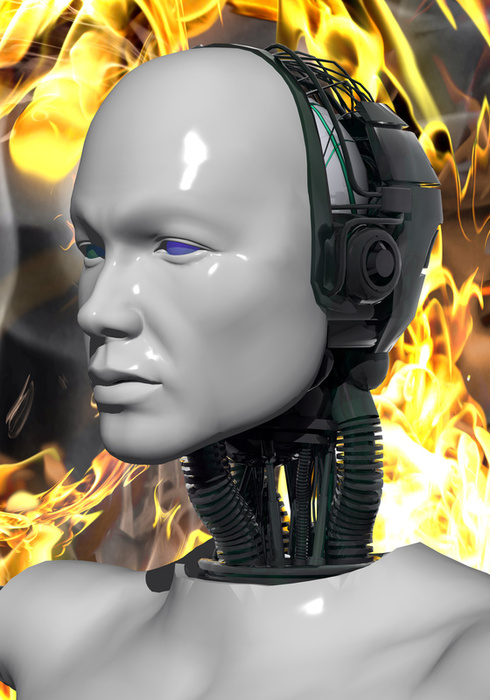 I recently came across a great source for research and reflection in Robert Geraci’s work. Geraci teaches at Manhattan College in Religious Studies. The college website describes his research and teaching interests, including the power of religion in contemporary culture, particularly with regard to the interaction between religion and technology. His past research focused upon the relationship between artificial intelligence (AI), robotics and religion (primarily Jewish and Christian apocalypticism but also Japanese Buddhism and Shinto). He is the author of a number of interesting journal articles, and the new volume Apocalyptic AI: Visions of Heaven in Robotics, Artificial Intelligence, and Virtual Reality (Oxford University Press, 2010).
Geraci’s research interests overlap with my own, and his article “Robots and the Sacred in Science and Science Fiction: Theological Implications of Artificial Intelligence” in Zygon: Journal of Religion and Science 42:4 (December 2007), brings together a number of areas that dovetail with the foci of TheoFantastique. Geraci graciously provided some thoughts about robotics, artificial intelligence, science, and science fiction in the following interview.
TheoFantastique: Robert, thanks for your willingness to discuss your thoughts on robots, AI, and science fiction. You have written quite a bit on these topics. Why is this an area of great research interest for you, and how did you develop this research project?
Robert Geraci: A lot of it was simply good fortune. As I approached the dissertation writing stage of my PhD, I wanted to write on religion, science, and art. So I chose a religion I knew a reasonable amount about (Christianity) and a science that I figured would be fun to learn more about (robotics), and a couple of contemporary artists (Survival Research Labs and Wolfgang Laib, who do very different work from one another). The general pop chic of robotics made it look good to me and a cursory look at pop science in robotics and AI revealed clear religious systems. So once I got going there was no question that I was onto an interesting subject.
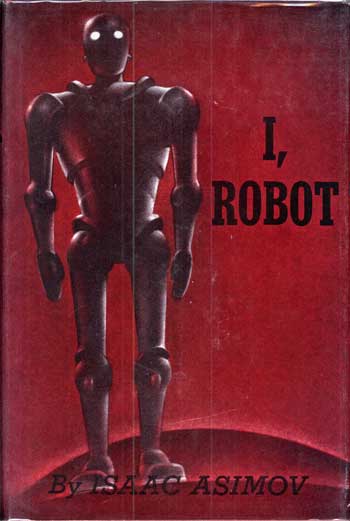 TheoFantastique: In your article for Zygon journal you connect Rudolf Otto’s description of the human encounter with the divine in his book The Idea of the Holy and note how this is similar to human reactions to intelligent machines. Can you summarize Otto’s thinking here (which scholars have also observed is similar to human responses to horror), and how this connects to our reactions to robotics in certain contexts?
Robert Geraci: Otto believed that experiencing god (he was a Lutheran theologian) involved two elements: the mysterium tremendum and the fascinans. The former represents (in short) the fact that god is “wholly other” (mysterious to us) and enormously powerful; as other and as a source of overwhelming power, god is fearsome. The fascinans reflects the allure that god has; god is the source of love and of salvation, therefore we are drawn to it.
In science fiction, robots and highly intelligent computers often inspire the same feelings from human beings. In essence, robots nearly always threaten humanity in some fashion while always being necessary in some other function. Sometimes machines threaten human jobs, sometimes they threaten to take over the world or enslave humanity, sometimes machines have less malign intent but nevertheless diminish humanity by their presence. At the same time, there are inevitably things which can be accomplished only with the help of the machines; without them, the human characters would be destined to defeat at the hands of their enemies or even as a result of their own folly. The robots thus lead people to feelings of both fear and fascination.
TheoFantastique: Can you provide some examples from science fiction film and literature that supports this idea of a “sacred response” to robotics and artificial intelligence?
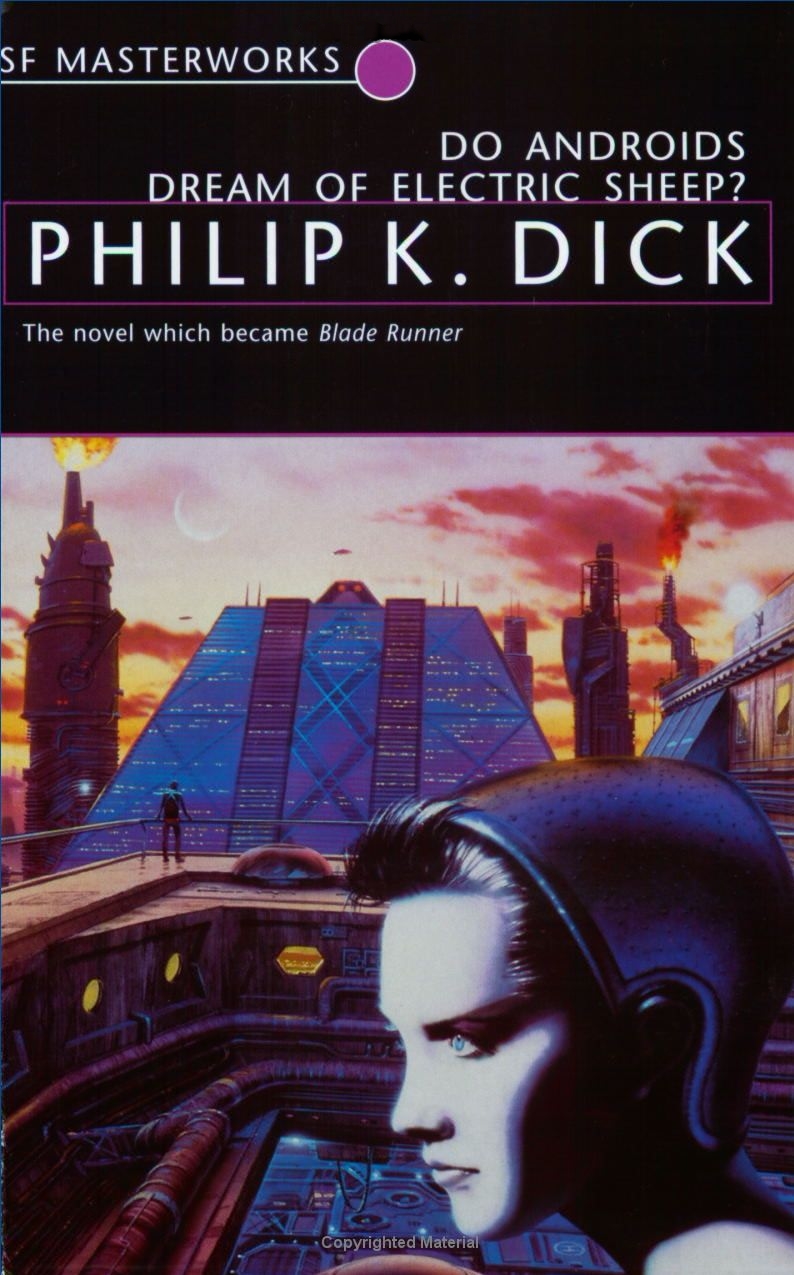 Robert Geraci: There is a pretty wide variety of examples, so I’ll just mention a few. Asimov’s Machines are computers that rule the world, diminishing human beings to mere instrumentality but also offering a peaceful and effective society. His robots threaten economic and social disenfranchisement but are clearly necessary for the future of humanity, which appears to be degenerating in Earthly society. In Dick’s Do Androids Dream of Electric Sheep?, the androids are dangerous murderers but also necessary to enable human migration from their war-torn home planet. As the Terminator films and Matrix films progress through the series, the machines who threaten to kill or enslave all of humanity are necessary in the human struggle against other machines. The perfect example of this is when Arnold Schwartzenegger’s T-800 navigates the shopping mall in Terminator 2, scaring the young John Connor only to actually save Connor from the new T-1000 model. Another good one is Robby the robot from Forbidden Planet. The Krel technology in Forbidden Planet is lethal to the film’s characters but they cannot leave Altair IV without Robby, who is himself representative of the dangerous technology that killed all of the Krel and nearly the movie’s protagonists as well.
TheoFantastique: How is science fiction a serious and important consideration for scholars of science and religion?
Robert Geraci: That’s a great question and I hope more students and scholars will include science fiction in their research portfolios. Not only does sci-fi reveal many important aspects of human psychology but it is the pre-eminent place for thinking about how human beings relate to technology. Where else is the human experience of technology among the foremost concerns? That there are religious ways of thinking about technology in sci-fi shows that there are religious ways of thinking about technology. While that seems like a tautology, somehow we still have cultural prejudices about sci-fi that interfere with using such books, films, comics, etc. as serious research material. The ways in which sci-fi provides religious incentives, advocates particular religious systems (such as transhumanism, in some 21st century literature), and reveals particular social attitudes about technology makes it really important. No one questions the importance of Victorian literature for understanding 19th century English attitudes yet somehow sci-fi is popularly assumed to be a genre for little boys only. Science fiction is quite frequently very sophisticated and reflects the interests of a wide segment of our culture.
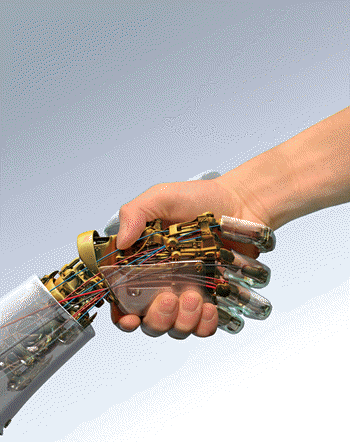 TheoFantastique: In your view, what are the implications of your thesis regarding intelligent machines and the sacred for traditional Christian theologies?
Robert Geraci: First, I think it reveals that in general people frequently have a religious approach to technology, which is a claim that a lot of people would want to deny (I think).
Second, the easy way that sacred categories are applied to robotic technology creates challenges to traditional theologies, which must find ways of engaging individuals who experience something sacred in their engagement with machines. For example, the folks who wish to upload their minds into virtual reality are theological competition for Christianity, etc. in today’s “spiritual marketplace.” I have a paper forthcoming, for example, that addresses how some science fiction books are evangelism for transhumanist religious thinking.
Third, I think it shows how religious practices and beliefs permeate the rest of our cultural production. In our secular culture, we have not abandoned religion; we’ve seen two religious threads emerge. There are powerful movements to preserve traditional religion (such as in fundamentalist circles in the U.S.) and there are religious ideas that escape their old confines and mesh with the profane. That machines might offer salvation (rather than god doing so) reveals the distribution of sacred categories throughout our culture.
TheoFantastique: Robert, thanks again for your research and your discussion of it in this forum.
Robert Geraci: Thank you for the invitation to talk about this! I appreciate your interest.
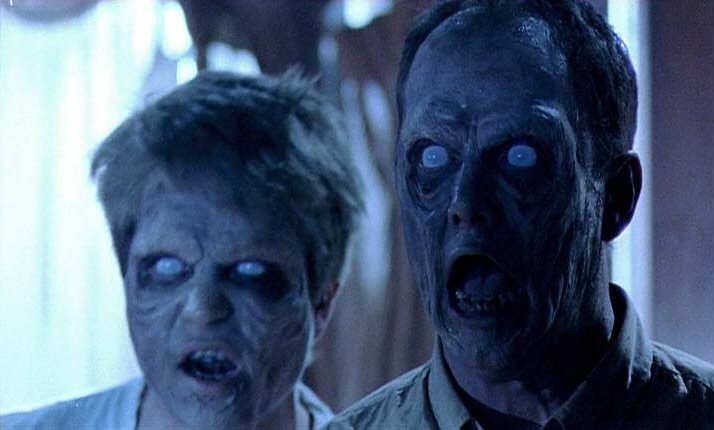 The University of Hertfordshire in the UK is hosting an academic conference on the undead next week. The conference is titled “Open Graves, Open Minds: Vampires and the Undead in Human Culture.” The conference is described as follows:
The aim of the conference is to relate the undead in literature, art, and other media to questions concerning gender, technology, consumption, and social change. It will provide an interdisciplinary forum for the development of innovative and creative research and examine these creatures in all their various manifestations and cultural meanings.
The conference, scheduled for April 16-17, is bringing together a number of contributors who will address various facets of the undead in culture, including Victorian conceptions of the creatures, contagion, undead teens, politics of the undead, and undead romance, just to name a few. The conference schedule with a list of topics and presenters can be downloaded here.
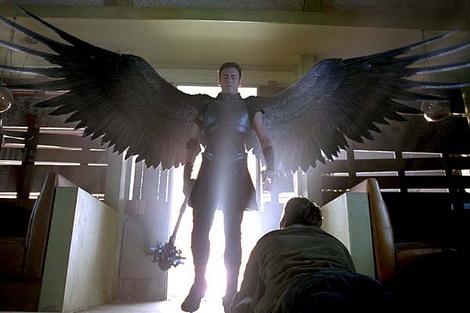 My latest contribution to Cinefantastique Online was recently posted. Below is an excerpt:
In the post-Christendom context, this situation changes dramatically. I was reminded of this recently while watching 30 DAYS OF NIGHT. As the race of vampires continues its onslaught on the Alaskan town, they use an injured woman as bait to lure any humans out of hiding. When the ruse fails, the vampires turn on the woman instead. Realizing her impending fate, she falls to her knees and exclaims “Oh, God!” In response to her plea the lead vampire, Marlowe, mockingly looks up into the sky for any hint of divine rescue, only to look back at the woman and remark in matter of fact fashion, “No god.” In 30 DAYS OF NIGHT not only do we find an absence of the church, clergy, and Christian symbols, but the monstrous creatures deny the existence of God, or at least deny that a God is present who will provide any kind of deliverance to humanity from the forces of evil. The point to take away from much of contemporary horror is that, while it may be influenced by biblical and Judeo-Christian elements, the way in which these elements are treated is very different.
The entire article can be read here.
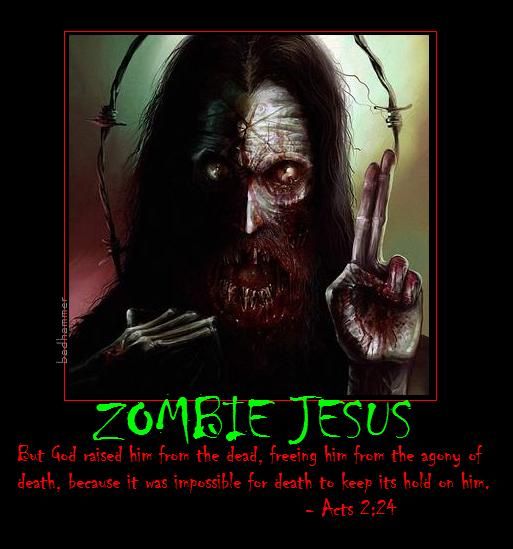 TheoFantastique wishes everyone a happy Easter.
Readers might be interested in the following previous posts that overlap with discussions of the fantastic, the horrific, Christianity, and the idea of rising from the dead.
Related posts:
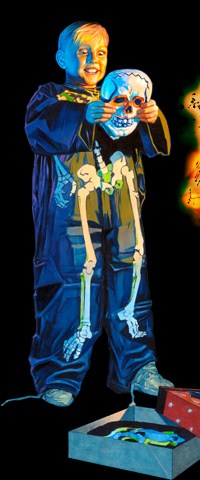 I came across a couple of items recently that encapsulate the feelings I have in my experiences with the fantastic. The first is a poster ad for The HMA.net Mask-Fest 2010. It is featured with this post to the left where the reader will see a young boy putting on his Halloween costume. As he contemplates the final step in putting on his mask his face comes to life as his sense of imagination is kindled. He is about to become the character he is costumed as. I remember this precise feeling on many Halloweens as a child as I became a pirate, Frankenstein’s creature, the vampire from London After Midnight, and any number of other monsters.
The second item I identified with came as I watched an interview with Rick Baker by Mick Garris as part of his “Post Mortem” series at FearNet.com. At one point in the interview after describing his lifelong love for many horror films and monsters Baker states that the attraction for him is not the gore, but rather the sense of wonder that comes with it all. I deeply resonate with Baker’s feelings on this. After a lifelong journey into the fantastic of my own, whether horror, science fiction or fantasy, it is not the gore and violence that I find attractive, but rather, the sense of wonder that is connected with my experiences with the creative expressions of these genres. Perhaps other readers share the feelings I have in the experience of such things.
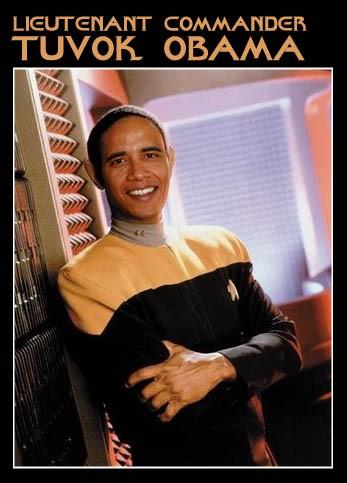
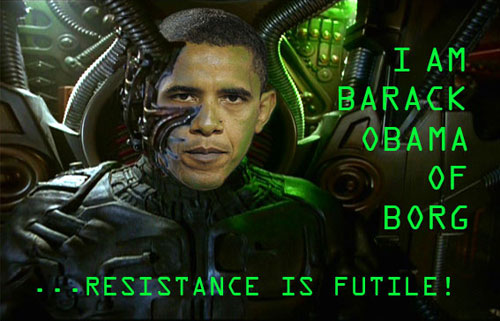
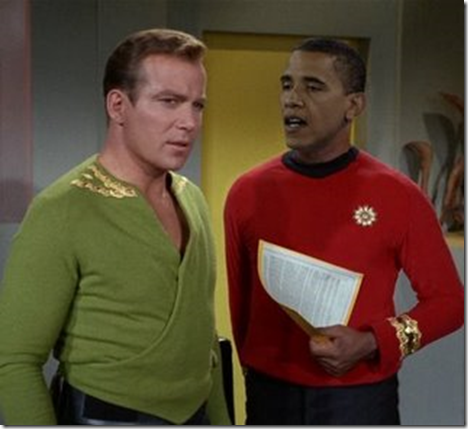
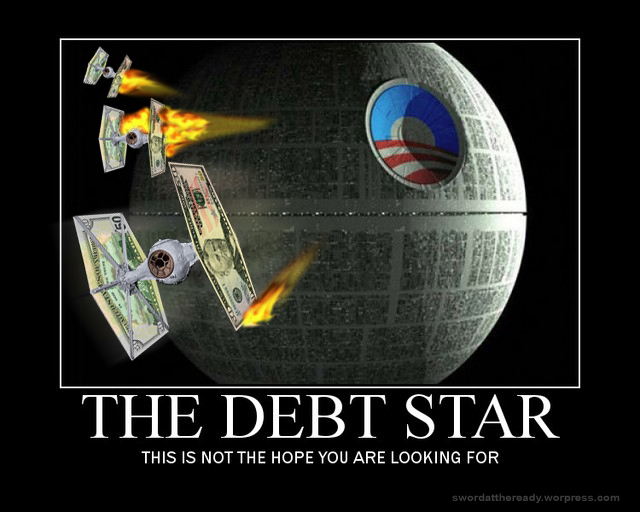
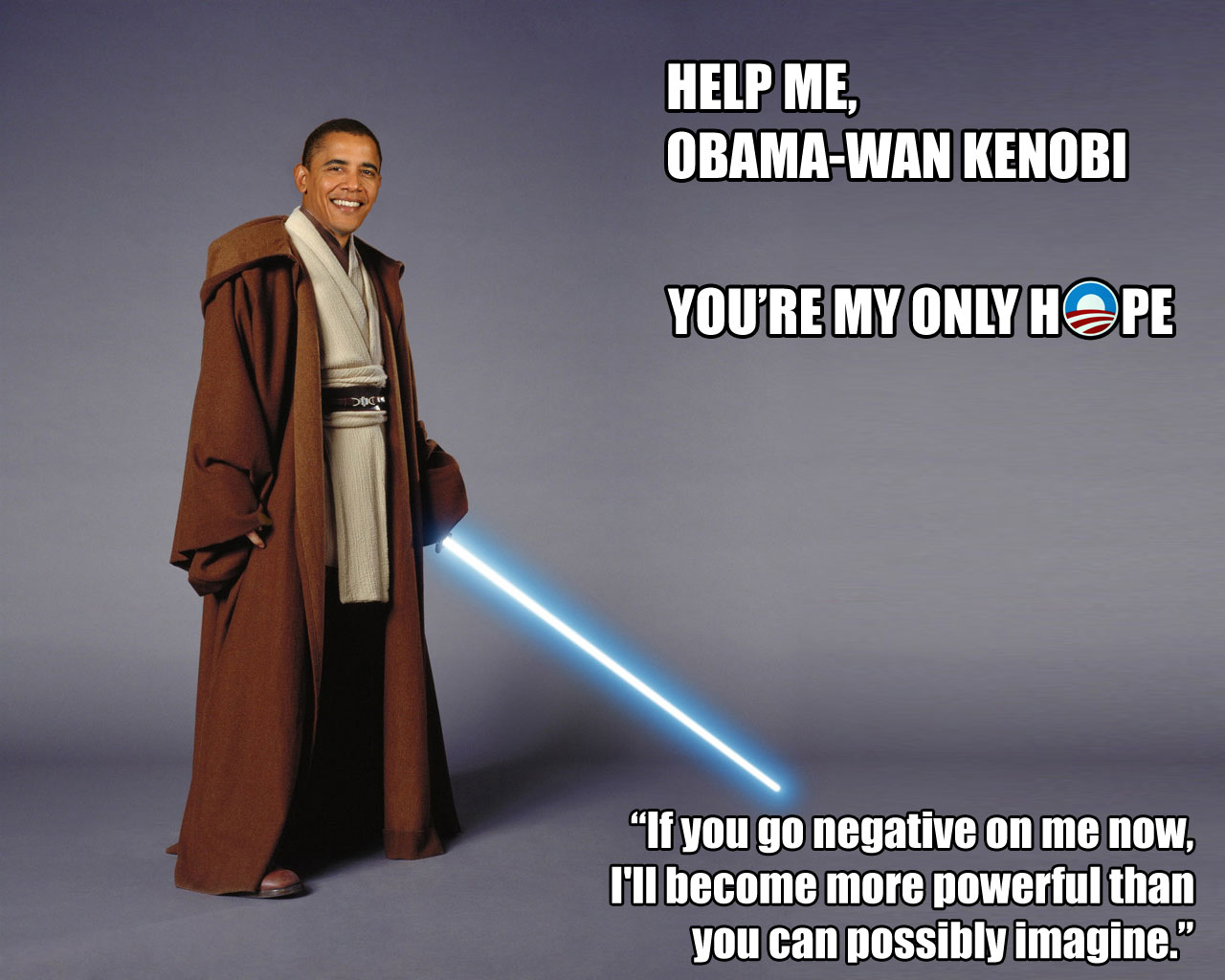
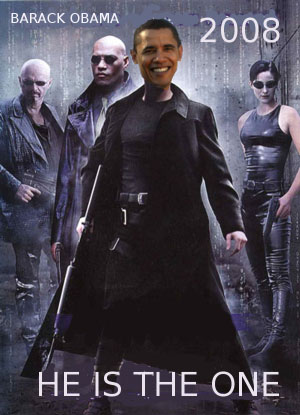
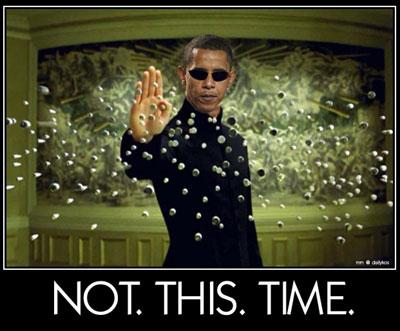
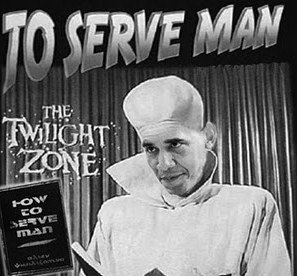
My satirical post comparing Obama’s health care legislation to The Twilight Zone episode “To Serve Man” led to my surfing the Internet for how the President has been depicted in science fiction imagery. I found several examples from my favorite sci-fi films and television that speak for themselves without any need for written commentary.

 My friend Dave Canfield is a fellow fan of horror and all things fantastic. He explores our common passion in a variety of forums, including as a Chicago film critic writing for Twitch, and as a writer for Fangoria online. His blog at Fangoria, Beyond the Pale, recently featured my thoughts on horror and spirituality in an interview. Here is an excerpt:
CANFIELD: From a spiritual focus, what were your favorite horror films of this last decade?
MOREHEAD: I am very picky about the horror that I find notable, and within that collection we find even fewer that include a spiritual focus. But a few come to mind. I was pleasantly surprised by THE MIST. I appreciated that film’s exploration of religious zealotry, and how religion, politics and law function to restrain human evil. But what if these elements disappeared? Would we be able to act humanely in the midst of an inhumane situation? And the ending is gut-wrenching—great stuff that raises important spiritual and cultural questions. [REC] and 28 DAYS LATER are important expressions of the apocalyptic from contagion. Although these are expressions of secular apocalyptic, they shed light on concerns over the end of human civilization which dovetail with religious expressions of this same concern.
The interview can be read here.
 As the nation continues to debate the health care reform bill, now the law of the land, it is interesting to recall one of the more curious aspects of the legislation. During the debate as Democrats rallied votes within their own party to pass the bill, Speaker of the House Nancy Pelosi made the strange claim that in order to know what was in the bill we’d have to pass the bill. Now that the bill is passed, people are working their way through its massive number of pages to find out everything that it entails.
As I thought about this over the last few days it reminded me of a Twilight Zone episode, “To Serve Man.” I’m not alone in making this connection, as illustrated by Gary Toms, an African-American writer:
On New Year’s Day, the popular channel ran its Twilight Zone marathon. As I sat in front of my television, in complete awe of how Serling used his creative genius to address many social and cultural issues, I began to realize the episode I was watching was chillingly similar to a current event in American politics: the meteoric rise of Senator Barack Obama. The episode was entitled “To Serve Man”, and it featured an alien, Kanamit, that came to Earth to convince humans that a far better life, a far better place, awaited them based on the futuristic content of a book called To Serve Man. All they had to do was place their faith in him and not fear the unknown. The alien, who seemingly appeared out of nowhere, began to win them over through powerful speeches, immediately solving all the problems of the world, and his heartfelt pledge to serve man. Ultimately, despite his strange and unearthly appearance, the inhabitants of Earth became loyal followers and boarded hordes of spaceships for what they believe is The Promised Land. It is at this point when the awful and terrifying truth is revealed. A man, who was extremely skeptical of the claims being made by the alien, breaks the book’s code and frantically tries to warn the people boarding that the title of the book, To Serve Man, is actually…..a cookbook!
The video clip below is “To Serve Man,” and it is a perfect fit with this issue. As you click on it you will see that the Kanamits promise to cure all of humanity’s woes, and all they ask is that they be trusted. The response of humanity is to think of their new situation as Christmas, precisely the way a gentleman quoted in the media recently described his situation as a new Obamacare recipient.
As we continue to probe the depths of the mysterious health care legislation, one piece of proposed hope and change for all that ails us, let us hope that we don’t discover that it is a mysterious cookbook with us on the menu. Perhaps Serling’s moral for this story is beware of aliens, and politicians, promising utopia.
 While catching up on various blogs and websites dealing with the fantastic in the blogosphere I came across a news item at SF Gospel. It touched on a conflict between a religious group and an employer on appropriate attire in the workplace. What sets this conflict apart from others that have taken place in the past, as in the case of Muslim women wanting to wear coverings for their head and face, or Sikh men wanting to carry their ceremonial daggers, is that this particular conflict moves beyond the major world religions to involve a new religious movement. In this case it is a controversy involving the hyper-real spirituality of The Church of Jediism in the UK. Hyper-real spiritualities are those which draw upon aspects of pop culture, particularly science fiction, horror, and fantasy, as a metaphor in the construction of new religious identities.
This specific conflict is between Chris Jarvis, a member of the church and a practitioner of Jediism, and and the employer JobCentre. The issue of tension was over Jarvis’s refusal to remove the hood of his Jedi robes while at work.
Those interested in exploring hyper-real spiritualities in more depth should consult Adam Possamai’s Religion and Popular Culture: A Hyper-Real Testament (Gods, Humans, and Religions) (P.I.E.-Peter Lang, 2007), and his lecture proceedings article “Yoda Goes to the Vatican: Youth Spirituality and Popular Culture.” Possamai is also currently editing a multi-contributor volume on this topic, a handbook on hyper-real spiritualities for which I have written a chapter on Matrixism.
Previous discussions of these topics here in related posts include:
“Adam Possamai: Jediism, Matrixism, and ‘Hyper-Real’ Spiritualities”
“The Otherkin: Fantastic Texts, Pop Culture, and Neo-Religiosity”



